Introduction
In today’s hyper-connected world, Digital Marketing is not just an optional skill—it’s the backbone of how modern businesses grow and thrive. With Australians spending more time online across mobile, desktop, and social platforms, building a strong online presence through effective digital marketing strategies is essential. From Google Ads campaigns to social media marketing, every business owner needs to understand how to leverage these tools to grow a business online and stay competitive.
This guide is written for Australian business owners, entrepreneurs, and career changers who want to gain essential Digital Marketing Skills. Whether you’re a small business with one staff member or a growing team of 50, mastering the Fundamentals of Digital Marketing will help you attract new customers, improve customer engagement, and drive higher conversion rates. By learning the most important digital marketing topics, you’ll be able to design a tailored Marketing Strategy that aligns with your customer preferences and business goals.
What Is Digital Marketing?
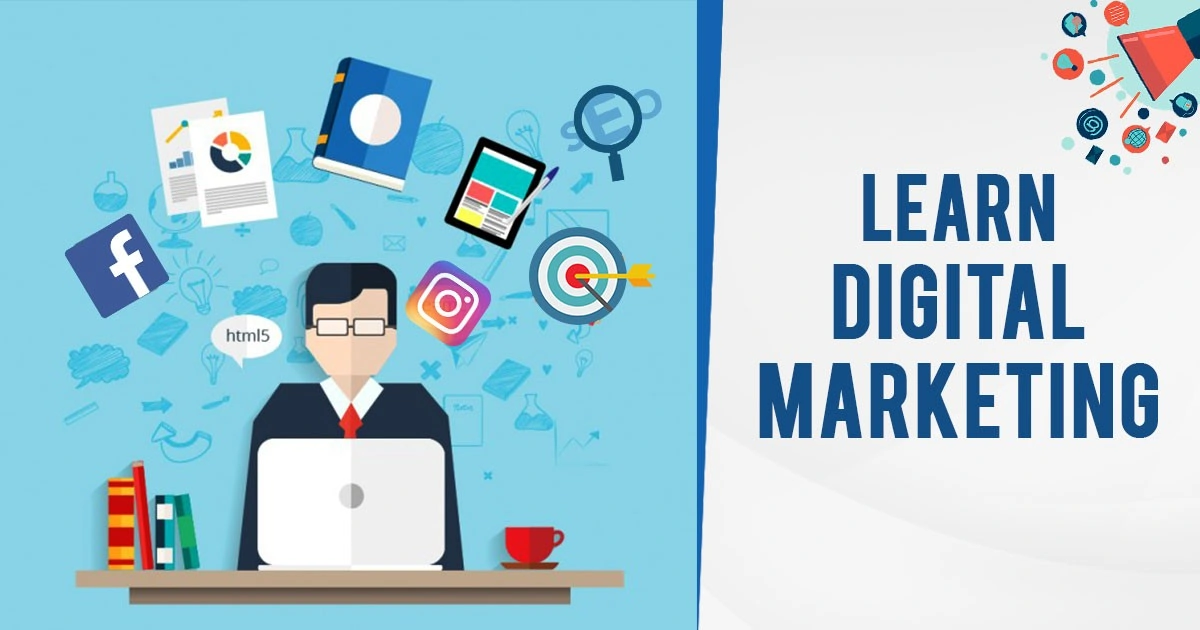
Digital Marketing refers to the use of digital marketing tools and platforms to promote products or services. Unlike traditional marketing, which relies on TV, print, or radio, digital marketing uses online channels such as search engines, websites, social platforms, and email. It also allows for more accurate customer insight and measurable outcomes.
Core Concepts
- Traditional vs. Digital Marketing
| Aspect | Traditional Marketing | Digital Marketing |
|---|---|---|
| Channels | Print, TV, Radio | Social Media, Google Ads, Email, Online Stores |
| Targeting | Broad, less precise | Data-driven, personalised |
| Interactivity | One-way communication | Two-way interaction & Customer Engagement |
| Measurement | Difficult to track | Google Analytics, Google Data Studio, Campaign Management |
How Digital Marketing Works
- Channels: Social Media, Email Marketing, search engine marketing, content marketing, YouTube Marketing, and Affiliate Marketing.
- Audience: Identified through Google searches, customer preferences, and Marketing Analytics.
- Objectives: Awareness, Lead Generation, sales growth, and retention.
Major Disciplines
- Search Engine Optimization (SEO): Improving visibility on search engines.
- Search Engine Marketing (SEM): Paid ads including Google Adwords and Google Ads.
- Social Media Marketing: Using platforms like Facebook Marketing, Instagram, and LinkedIn for customer engagement.
- Content Marketing: Valuable content creation and creative marketing ideas to attract and retain customers.
- Video Marketing: Growing on platforms like YouTube, TikTok, and through YouTube Marketing strategies.
- Email Marketing: Nurturing relationships and building loyalty.
- Affiliate Marketing: Leveraging third-party partners to sell your products.
- Inbound Marketing: Attracting customers through valuable content and experiences.
- Influencer Marketing: Partnering with creators to grow reach.
- App Marketing: Driving downloads and retention for digital applications.
Understanding Digital Marketing Fundamentals
Before implementing digital marketing strategies, it’s important to understand the foundation:
- Marketing Strategy: Aligning business goals with customer needs.
- Customer Experience Strategy: Mapping out customer journeys for maximum engagement.
- The Psychology of Marketing: Scarcity, urgency, goodwill, and anchoring.
- Time Management: Essential for effective campaign management and scaling efforts.
💡 Pro Tip: Using Google Sheets alongside Google Analytics and Google Data Studio can help track campaigns, organise metrics, and measure conversion rates.
FAQ: What’s the difference between marketing and digital marketing?
- Marketing: Broad promotion and selling of products/services.
- Digital Marketing: Specifically focused on online platforms and tools.
Step-by-Step Digital Marketing Learning Roadmap
1. Build Your Foundation
- Consume free content from Google Digital Garage, HubSpot Academy, and industry blogs.
- Explore a digital marketing course or Google Career Certificates to understand key areas.
- Follow a Digital Marketing Expert to stay updated with the latest insights.
2. Learn Core Skills
| Skill | Learning Resources | Timeframe |
|---|---|---|
| Search Engine Optimization | Google Digital Garage, Moz, SEO blogs | 1–2 months |
| Social Media Management | Hootsuite, Buffer, Facebook Blueprint | 1–2 months |
| Content Creation | Coursera, Udemy, Canva, Copywriting guides | 1–3 months |
| Email Marketing | Mailchimp Academy, HubSpot | 1 month |
| Marketing Analytics | Google Analytics Academy, Google Data Studio | 1–2 months |
| CRM & Campaign Management | Salesforce Trailhead, HubSpot CRM | 1–2 months |
3. Hands-On Practice
- Start a blog, eCommerce store, or local project.
- Run small Google Ads or Facebook Marketing campaigns.
- Practise with Google Cloud tools and track data.
- Volunteer, freelance, or join Google for Startups Growth Academies programs.
4. Specialise & Advance
- Choose a niche: SEO, Paid Ads, Influencer Marketing, or Analytics.
- Enrol in advanced bootcamps or a Marketing major degree if desired.
- Build a portfolio with results-driven projects.
5. Get Certified
- Google Career Certificates, HubSpot, Meta certifications.
- Prepare with Digital Marketing Interview Questions to demonstrate skills.
V. Structuring Your Learning Timeline
| Time Frame | Focus |
|---|---|
| 1 Month | Learn basics through free digital marketing courses |
| 3 Months | Apply core skills, run test campaigns |
| 6–12 Months | Specialisation, advanced digital marketing strategies |
Building Experience & a Career
- Networking: Join LinkedIn groups, masterminds, and Australian marketing events.
- Entry Roles: Social media assistants, marketing coordinators, or customer service reps.
- Portfolio Development: Showcase SEO results, campaign metrics, and conversion rate improvements.
- Career Changers: Highlight transferable skills such as project management and sales.
Tools & Resources
| Tool | Purpose | Free/Paid Status |
|---|---|---|
| SEMrush | SEO Research | Paid |
| Hootsuite | Social Media Management | Free/Paid |
| Mailchimp | Email Marketing | Free/Paid |
| Google Analytics | Marketing Analytics | Free |
| Google Data Studio | Campaign Reporting | Free |
| Canva | Content Creation | Free/Paid |
Common Questions & Pitfalls
- How much does it cost to learn digital marketing? – From free resources like Google Digital Garage to premium digital marketing courses.
- Do I need a degree? – Not required, but a Marketing major or certifications can help.
- Can I self-learn? – Yes. Practical experience matters more than theory.
- How to get experience quickly? – Freelance, join startups, or build your own online store.
- Which area pays the most? – SEO, Google Ads, and Search Engine Marketing are often the most lucrative.
Continuous Development
- Stay updated with newsletters, podcasts, and events.
- Experiment with creative marketing ideas, AI tools, and Google Cloud.
- Engage in communities and share customer insights to grow faster.
Conclusion
Mastering Digital Marketing Skills empowers Australian business owners to scale, adapt, and thrive. From Inbound Marketing and video marketing to affiliate marketing and email marketing, there are endless opportunities to connect with your audience and increase sales. Start small, practice daily, and invest in your growth.
👉 Want expert help to accelerate results? Let’s chat about building a tailored Digital Marketing Strategy for your business today.
Appendix
- Glossary: SEO, SEM, CTR, PPC, ROI, Lead Generation, Conversion Rate.
- Top Blogs: Neil Patel, Moz Blog, Social Media Examiner.
- Recommended Courses: Google Digital Garage, HubSpot Academy, Google Career Certificates, BrainStation DMC™.