Introduction
In the competitive world of digital marketing, mastering Search Engine Optimization (SEO) is crucial for business owners who want to enhance their online presence, drive organic traffic, and improve brand awareness. Understanding how search engines operate, applying proven SEO Techniques, and optimizing your website for user experience can significantly impact your Google search results and overall search traffic.
This comprehensive guide is tailored for Australian business owners managing small to medium-sized teams (1-50 staff). It provides practical insights into keyword research, On-page SEO, technical SEO, content creation, and link building. We also cover SEO tools, including Google Analytics, Google Search Console, Yoast SEO, and Screaming Frog, as well as advanced strategies like video SEO, email outreach, and AI tools.
By understanding ranking factors, search algorithm updates, and SEO fundamentals concepts, you’ll be equipped to create relevant content, optimize internal links, and improve user intent alignment to enhance your website’s performance and visibility in search engine results.
What Is SEO?
SEO is the practice of improving a website’s visibility on search engines like Google Search. It involves optimizing various elements such as title tags, Meta description, content length, and internal links. Effective On-page SEO and technical SEO ensure your website appears higher in Search results, increasing click-through rate and attracting targeted visitors.
Key SEO Terms for Australian Business Owners
| Term | Definition |
|---|---|
| Keywords | Words or phrases users enter in search queries; includes Long-tail keywords for specific targeting. |
| SERP | Search Engine Results Page, where search results are displayed. |
| Backlink | A link from another site, crucial for link building and improving SEO factor. |
| Bounce Rate | Percentage of visitors leaving after viewing only one page, affecting user experience and SEO metrics. |
| Meta Tags | Title tags and Meta description summarizing a page’s content. |
| Internal Links | Links connecting pages within the website, vital for internal links optimization. |
| Featured Snippets | Highlighted results in Google search results for quick answers. |
How Search Engines Work
Understanding search engines and Search engine crawlers is essential to applying SEO fundamentals concepts effectively.
- Crawling: Bots discover new pages using internal links and backlinks.
- Indexing: Pages are stored and analyzed for relevance.
- Ranking: Pages are sorted based on search intent, user intent, and SEO factor criteria.
Step-by-Step: Discovery to Ranking
- Discovery: Search engine crawlers find pages through internal links and external backlinks.
- Crawling: Bots gather information on title tags, Meta description, structured data, duplicate content, page speed, and technical aspects.
- Indexing: Content is stored in the search engine’s database for retrieval.
- Ranking: Pages are sorted based on search intent, Core Web Vitals, SEO metrics, focus keyword, and Google algorithm update.
Pro tip: Stay updated with Google Search Central and Search Engine Journal to track search algorithm updates and industry best practices.
Core Components of SEO
On-Page SEO
- Keyword Research: Identify target keywords, analyze keyword difficulty, and select Long-tail keywords.
- Content Optimization: Focus on content creation, relevant content, content length, and avoid duplicate content.
- Meta Tags & Headers: Optimize title tags, Meta description, and headings.
- Internal Linking: Improve internal links optimization with strategic anchor text.
- URL Structure: Ensure URLs are clean and descriptive.
Technical SEO
- Website Speed Optimization: Enhance page speed for improved user experience.
- Mobile Device Optimization: Ensure responsiveness across devices.
- XML Sitemaps & Structured Data: Help search engines understand your site structure and support Featured Snippets.
- HTTPS Security: Secure your site to boost trust and SEO factor.
- Broken Links: Regularly fix broken links to maintain website health.
Off-Page SEO
- Link Building: Gain authoritative backlinks using Skyscraper Technique and email outreach.
- Brand Awareness: Promote via Social media and Social Media Marketing.
- Industry Engagement: Participate in the SEO community for networking and updates.
Local SEO
- Google My Business: Optimize for local visibility.
- Local Citations: Maintain consistent business information across directories.
| Component | Focus Area | Key Activities |
|---|---|---|
| On-Page SEO | Content & Keywords | Keyword research, content optimization, title tags, Meta description |
| Technical SEO | Site Performance | Website speed optimization, mobile optimization, structured data, Core Web Vitals, technical aspects |
| Off-Page SEO | Authority & Links | Link building, Skyscraper Technique, email outreach, brand awareness |
| Local SEO | Local Presence | Google My Business, local citations |
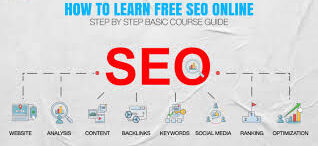
Step-by-Step Guide to Learning SEO
- Build Your SEO Foundation
- Study guides from Google Search Central, Search Engine Journal, and SEO communities.
- Join forums and local groups for digital marketing discussions.
- Apply What You Learn
- Create a small website or blog.
- Conduct keyword research, optimize content creation, and set up Google Analytics and Google Search Console.
- Master SEO Tools
| Tool | Purpose |
|---|---|
| Google Search Console | Monitor search queries, indexing, and SEO metrics |
| Google Analytics | Analyze search traffic, user intent, and bounce rate |
| SEMrush Academy | Learn SEO fundamentals concepts and advanced strategies |
| Ahrefs | Backlink analysis and SEO factor insights |
| Screaming Frog | Technical audits, find broken links |
| Yoast SEO | Optimize focus keyword, keyword density, and content length |
- Continuing Education
- Follow Google algorithm updates, search algorithm updates, and insights from industry leaders.
- Experiment with video SEO, Social Media Marketing, and email outreach.
- Track performance using rank tracking tool, performance report, and SERP analysis.
SEO Learning Resources
- Free Guides: Google Starter Guide, Moz Beginner’s Guide
- Academies: HubSpot Academy, SEMrush Academy
- Books & Podcasts: Follow Search Engine Journal for latest trends and case studies.
| Resource | Type | Description |
|---|---|---|
| Google Starter Guide | Free Course | Beginner guide from Google |
| Moz Beginner’s Guide | Free Guide | Focus on content optimization and SEO Techniques |
| SEMrush Academy | Free & Paid | Courses and certifications for SEO fundamentals concepts |
| HubSpot Academy | Free & Paid | Digital marketing and SEO tools tutorials |
| LearningSEO.io | Free Roadmap | Structured path for mastering SEO fundamentals concepts |
Common SEO Mistakes
- Over-Optimizing: Avoid excessive keyword density.
- Ignoring Technical Aspects: Focus on website speed optimization, Core Web Vitals, structured data, and fixing broken links.
- Expecting Instant Results: SEO requires patience and consistent application.
- Using Outdated Tactics: Stay updated via Google Search Central and SEO community.
- Not Measuring Progress: Use rank tracking tool and performance report for insights.
FAQs
How long to learn SEO? A few months with dedicated practice.
Do I need coding skills? Helpful but not required; SEO tools simplify technical aspects.
Is SEO free? Many strategies are free, but investing in SEO tools and training enhances performance.
Self-learning vs courses? Self-learning is flexible; structured courses like HubSpot Academy and SEMrush Academy offer step-by-step guidance.
Can SEO be a career? Absolutely, in digital marketing, consulting, and agency opportunities.
Advanced SEO Opportunities
- Technical Audits: Dive deeper into SEO fundamentals concepts and technical SEO.
- AI Tools & Automation: Optimize workflow and insights.
- Video SEO & Social Media Marketing: Expand content marketing reach.
- Consulting & Education: Host workshops, create SEO tools tutorials, and share knowledge.
Conclusion
Mastering SEO is a continuous journey. By focusing on keyword research, On-page SEO, technical aspects, content creation, internal links optimization, and link building, business owners in Australia can increase organic traffic and achieve better Google search results. Stay updated with Google algorithm updates, leverage SEO tools, and monitor SEO metrics to refine strategies. Consistency, experimentation, and engagement with the SEO community are key to long-term digital marketing success.