In today’s digital-first economy, social media is one of the most powerful growth channels available to Australian small businesses. Whether you run a service-based business, trade company, consultancy, or eCommerce brand, a structured social media strategy can directly impact brand awareness, lead generation, and revenue.
Yet many small businesses still approach social media marketing without a clear marketing strategy. They post inconsistently, lack a defined brand voice, and fail to connect their activity back to real business objectives. The result is wasted time, low engagement rate, and minimal return.
This guide is designed for Australian small businesses (1–50 staff) looking to build a scalable, results-driven social media marketing strategy. It covers goal setting, audience research, platform selection, content strategy, content planning, analytics, and optimisation — all with a focus on generating leads and improving conversion rate.
What Is a Social Media Strategy?
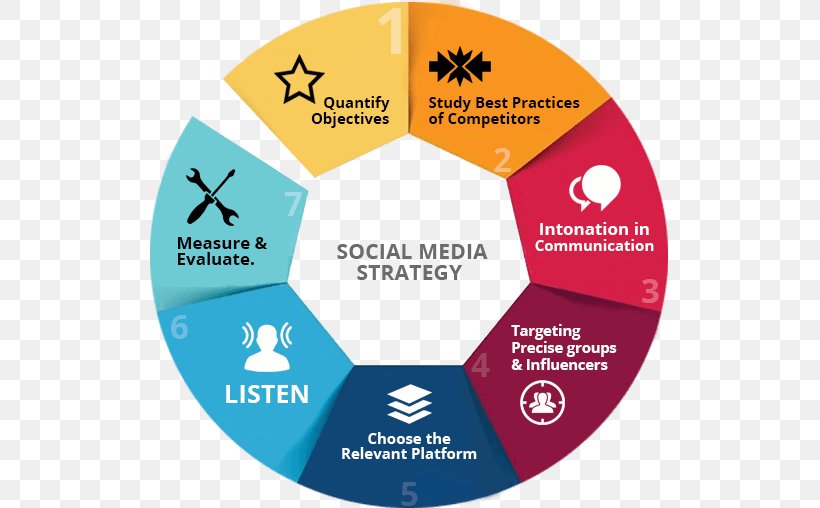
A social media strategy is a structured plan outlining how your business will use social media platforms to achieve measurable business objectives. These objectives might include:
- Increasing brand awareness
- Improving brand visibility
- Generating leads
- Growing a brand community
- Enhancing customer service
- Increasing market share
A strong social media marketing strategy connects your digital marketing efforts with your broader marketing strategy and ensures that every piece of content creation supports growth.
It includes:
- Audience research and audience segmentation
- Platform selection
- Content pillars and content formats
- Posting schedule and content calendar
- Social media campaigns
- Analytics and reporting
For small businesses, the goal is simple: build a predictable system for attracting, nurturing, and converting customers through social platforms.
The Three-Component Framework: Homebase, Embassies, and Outposts
1. Homebase
Your homebase is your website or landing page. All social media campaigns should drive traffic back here for conversion. This is where lead generation happens and where your brand identity is fully controlled.
2. Embassies
Embassies are your active profiles on social media platforms such as Facebook, Instagram, LinkedIn, YouTube, TikTok, and X (formerly Twitter). These channels build social proof, brand awareness, and engagement while driving traffic back to your homebase.
3. Outposts
Outposts are where you monitor conversations using social listening tools and social listening dashboards. Audience listening and monitoring helps you understand trends, gather social data, and identify opportunities for content creation.
Step 1: Set Clear Goals Using SMART Goals
Every effective social media strategy starts with clearly defined SMART goals aligned with business objectives.
Common goals for small businesses include:
- Lead generation
- Brand awareness
- Audience growth
- Customer care improvements
- Increased conversion rate
SMART Goals Framework
- Specific: Generate 30 qualified enquiries per month
- Measurable: Track engagement rate, click-through rate, and conversion rate
- Achievable: Based on current digital capabilities
- Relevant: Aligns with revenue targets
- Time-Bound: 90-day milestones
Use Google Analytics and platform analytics to track performance and refine your social media marketing strategy.
Step 2: Audience Research and Segmentation
Understanding your target audience is essential for effective content strategy.
Use audience research and audience segmentation to identify:
- Demographics
- Pain points
- Buying triggers
- Preferred platforms
- Content preferences
Create detailed buyer personas and customer personas using:
- CRM data
- Surveys
- Sales insights
- Social media analytics
- Social listening tools
Audience listening helps refine messaging and improve engagement rate across social platforms.
Step 3: Platform Selection
Not every platform suits every business. Platform selection should be based on where your target audience spends time and which platforms support your business objectives.
Most Australian small businesses focus on:
- Facebook for ads and customer service
- Instagram for brand visibility and Instagram Reel content
- LinkedIn for B2B lead generation
- YouTube for authority content
- TikTok for reach
- X (formerly Twitter) for industry commentary
Use platform analytics and social media metrics to determine which channels drive results.
Step 4: Competitor Analysis
Analysing competitors provides insight into what works in your market.
Review:
- Content formats
- Posting schedule
- Engagement rate
- Social media campaigns
- Influencer marketing collaborations
Use these insights to refine your content pillars and content distribution strategy.
Step 5: Develop Your Content Strategy
Your content strategy should support brand identity, brand voice, and lead generation.
Content Pillars
- Educational
- Authority
- Social proof
- Case studies
- Offers
- Behind-the-scenes
- User-generated content
Using a UGC platform helps encourage user-generated content and strengthen your brand community.
Content Frameworks
| Framework | Educational | Curated | Promotional |
|---|---|---|---|
| 70/20/10 | 70% | 20% | 10% |
| 50/30/20 | 50% | 30% | 20% |
Mixing content formats improves engagement rate and Audience Growth Rate.
Step 6: Content Calendar and Posting Schedule
A structured content calendar ensures consistency and alignment with campaigns.
Your content management process should include:
- Monthly themes
- Weekly posting schedule
- Campaign planning
- Content creation batching
- Analytics review
Use social media management tools such as:
- Meta Business Suite
- Sprout Social
- Social media dashboard platforms
These tools improve team collaboration and support social teams managing multiple platforms.
Step 7: Community Engagement and Customer Care
Social media is a two-way channel. Engagement builds trust and improves conversion rate.
Focus on:
- Responding to comments and messages
- Social customer care
- Customer service via DMs
- Encouraging user-generated content
- Hosting AMA Webinars & Virtual Events
Strong engagement builds social proof and a loyal brand community.
Step 8: Analytics, Testing, and Optimisation
Tracking performance is essential.
Key Social Media Metrics
- Engagement rate
- Click-through rate
- Conversion rate
- Audience Growth Rate
- Cost per lead
Use social media analytics, analytics and reporting dashboards, and platform analytics to measure success.
Run A/B test experiments on:
- Headlines
- Hooks
- Creatives
- Content formats
Monitor algorithm changes and adapt your content distribution strategy accordingly.
Using AI Tools to Scale
AI tools and AI-powered tools can significantly improve efficiency.
Use AI for:
- Content creation ideas
- Caption writing
- Analytics insights
- Content planning
- Scheduling
These tools enhance digital capabilities and help small businesses scale faster.
Common Mistakes to Avoid
- No clear social media strategy
- Posting without business objectives
- Inconsistent posting schedule
- Ignoring analytics
- No content calendar
- Poor customer service response times
- No lead generation system
- Ignoring social media trends
Conclusion
A well-executed social media marketing strategy can transform how small businesses generate leads, build brand awareness, and grow market share. By aligning your social media efforts with business objectives, using structured content planning, and leveraging analytics and AI-powered tools, you can create a scalable growth channel.
If you want faster results, working with an experienced digital marketing strategist can help you implement proven systems, improve conversion rate, and scale efficiently.
Work With a Social Media Growth Specialist
If you’re an Australian business owner looking to improve your social media management, generate more leads, and scale your digital marketing, a structured and data-driven approach is essential.
I work with small businesses to:
- Build high-performing social media strategies
- Improve conversion rate
- Increase brand visibility
- Implement scalable social media campaigns
- Improve analytics and reporting
If you’d like help building or refining your strategy, reach out to discuss how we can grow your business.
Frequently Asked Questions
How long does it take to see results?
Most businesses see measurable improvements within 60–120 days.
Do we need paid ads?
Yes. Organic builds trust, paid drives scale and consistent lead generation.
How often should we post?
3–5 times per week is a strong starting posting schedule.
How often should we review strategy?
Review monthly and update quarterly based on performance and analytics.